

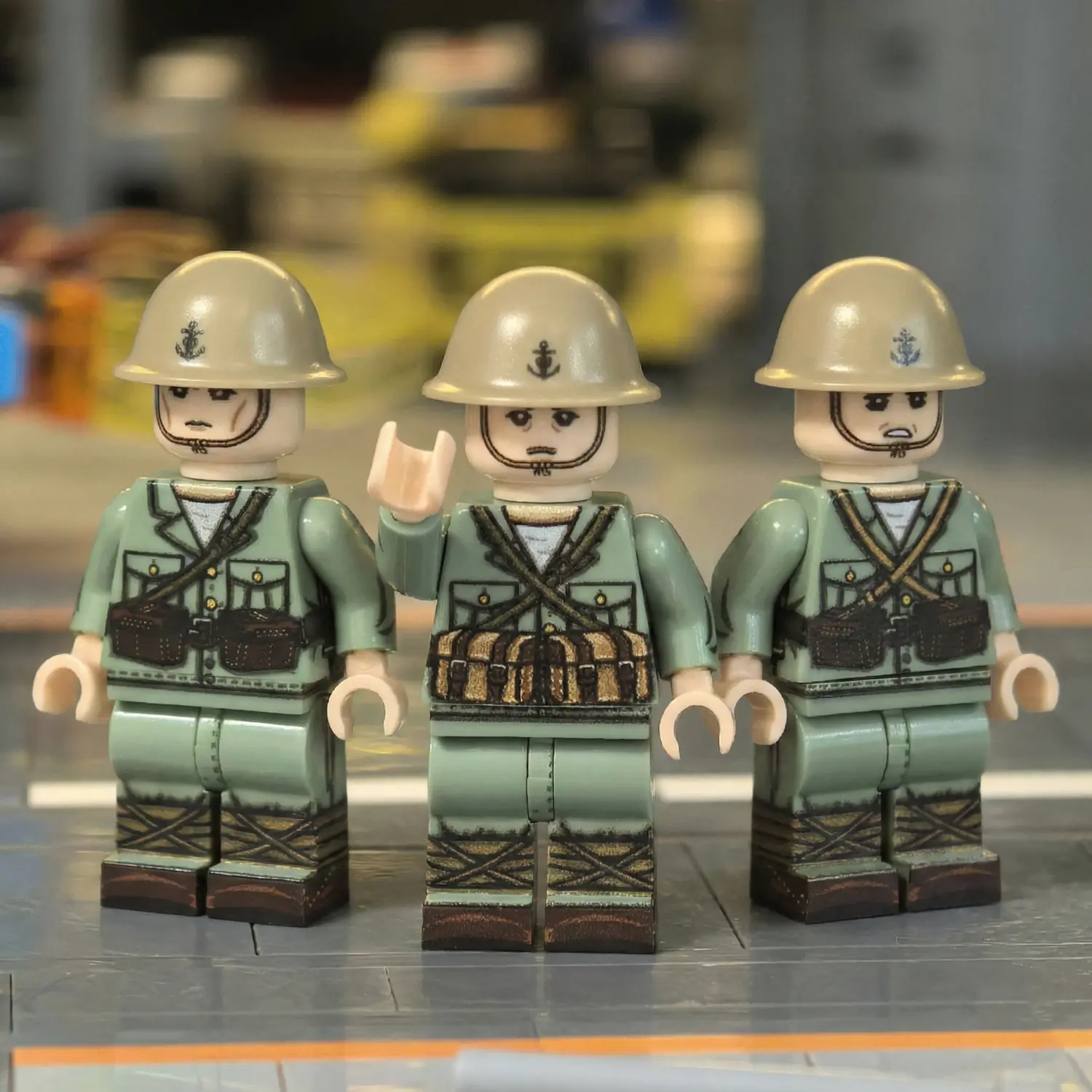

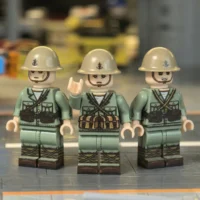
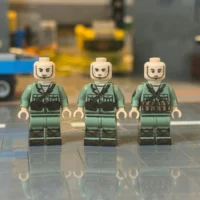
Minifigure – Imperial Japanese Army (IJA) Tactical Squad WWII (LEGO Compatible)
$27.99
The bricks we provided for this set are compatible with LEGO.
Feel free to contact us via email at [email protected] if you have any questions.
Reasons to Buy
- Quality Checked by Gilbert & Jack
- Reviewed by Sophisticated Friends
- 24/7 Email Support
- Secure Global Shipping
- Money Back Guarantee


| Age | Adult (18+ years old), Kids (5-18 years old) |
|---|---|
| Condition | New |
| Gender | Female, Male, unisex |
| Material | Plastic |
| Pattern | Military |
| Product Category | Minifigures |
Add a review
 Minifigure – Imperial Japanese Army (IJA) Tactical Squad WWII (LEGO Compatible)
* Answer is required
Your review
* Review is required
Name
* Name is required
Email
* Email is required
Add photos or video to your review
* Please confirm that you are not a robot
Q & A
Ask a question
Minifigure – Imperial Japanese Army (IJA) Tactical Squad WWII (LEGO Compatible)
Your question
* Question is required
Name
* Name is required
Email
* Email is required
This site is protected by reCAPTCHA and the Google Privacy Policy and Terms of Service apply.
There are no questions yet
Reviews
There are no reviews yet