

Character Identification
Specific Name: Imperial Japanese Army (IJA) Soldiers – Russo-Japanese War Era (1904-1905) (Specifically the Meiji 19 / Model 1886 Dark Blue Uniform Series)
These figures represent the Japanese military during the Russo-Japanese War, a pivotal conflict where Japan defeated the Russian Empire. They are distinct from the WWII figures because they wear the older Dark Blue (Indigo) tunics, which were standard before the army switched to Khaki/Olive camouflage later in 1905.
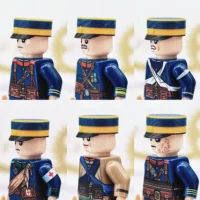
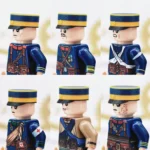
Detailed Introduction (Left to Right, Top to Bottom)
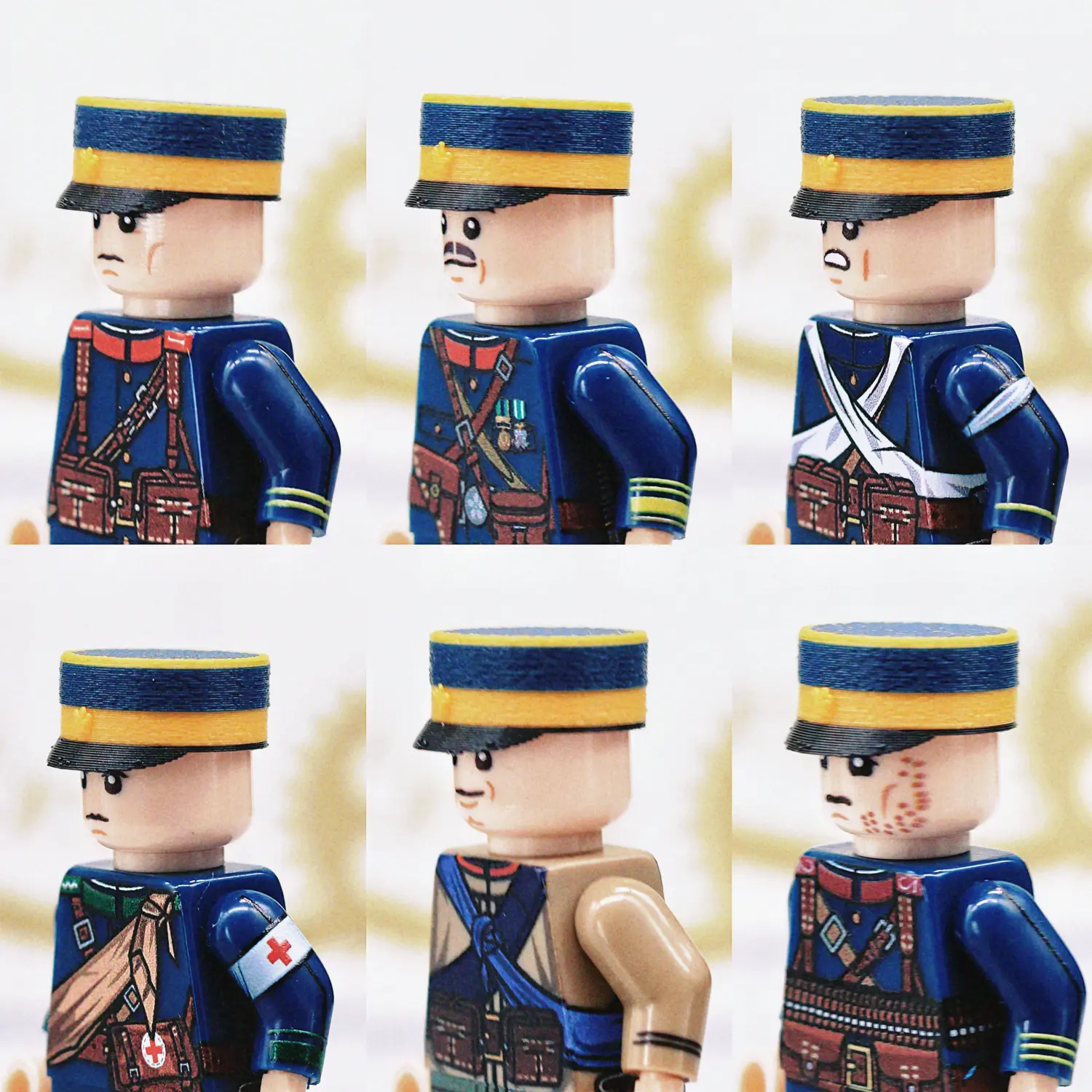
There are 6 distinct character variations in this image:
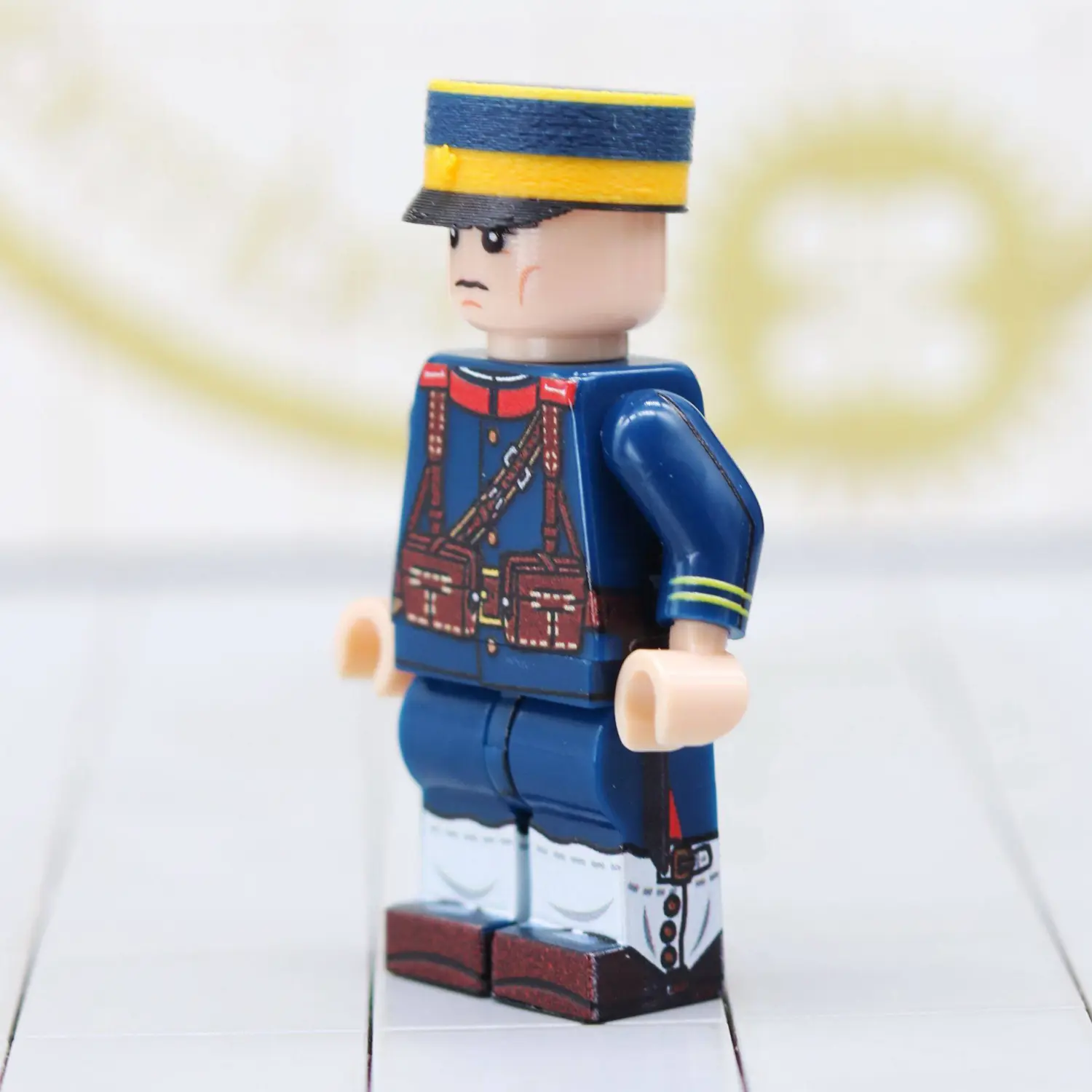
1. Top Left: Standard Infantryman (Rifleman)
-
Visuals: He wears the standard Meiji 19 Dark Blue Tunic with Red Collar Patches (Red was the branch color for Infantry). His headgear is the peaked cap (Boshi) with a prominent Yellow Band and a gold star.
-
Role: The backbone of the army that besieged Port Arthur. The yellow band on the cap was a signature identifier of the IJA during this specific period.
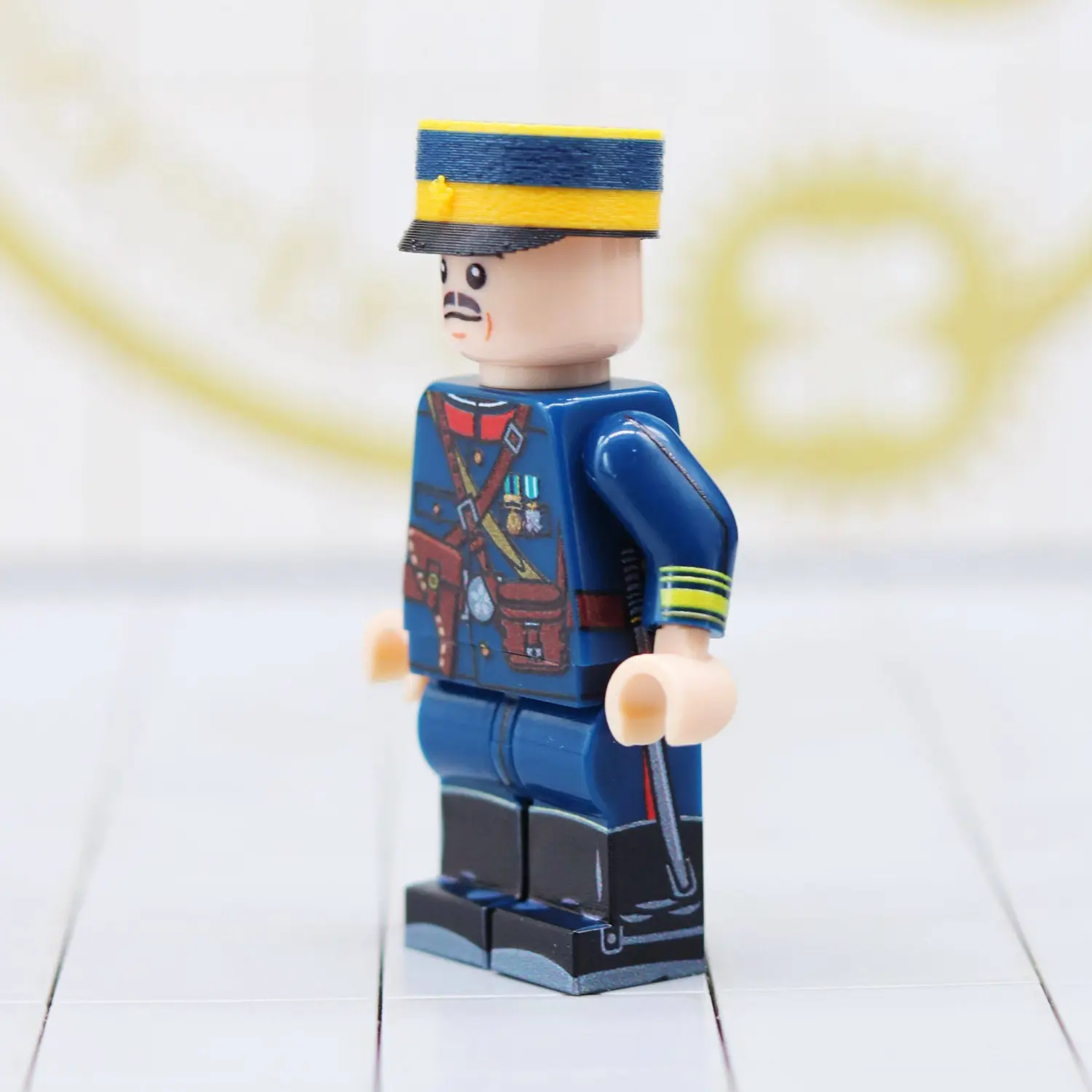
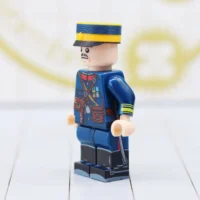
2. Top Center: Army Officer
-
Visuals: This figure represents a commander. He is distinguished by the Gold Sleeve Braiding (Rank Rings) on his cuffs and Medals printed on his chest. He also wears a Sam Browne-style leather belt strap across his chest, used to support a sword (Katana/Gunto).
-
Role: Officers in this era were often from former Samurai families and carried traditional swords into battle alongside modern firearms.
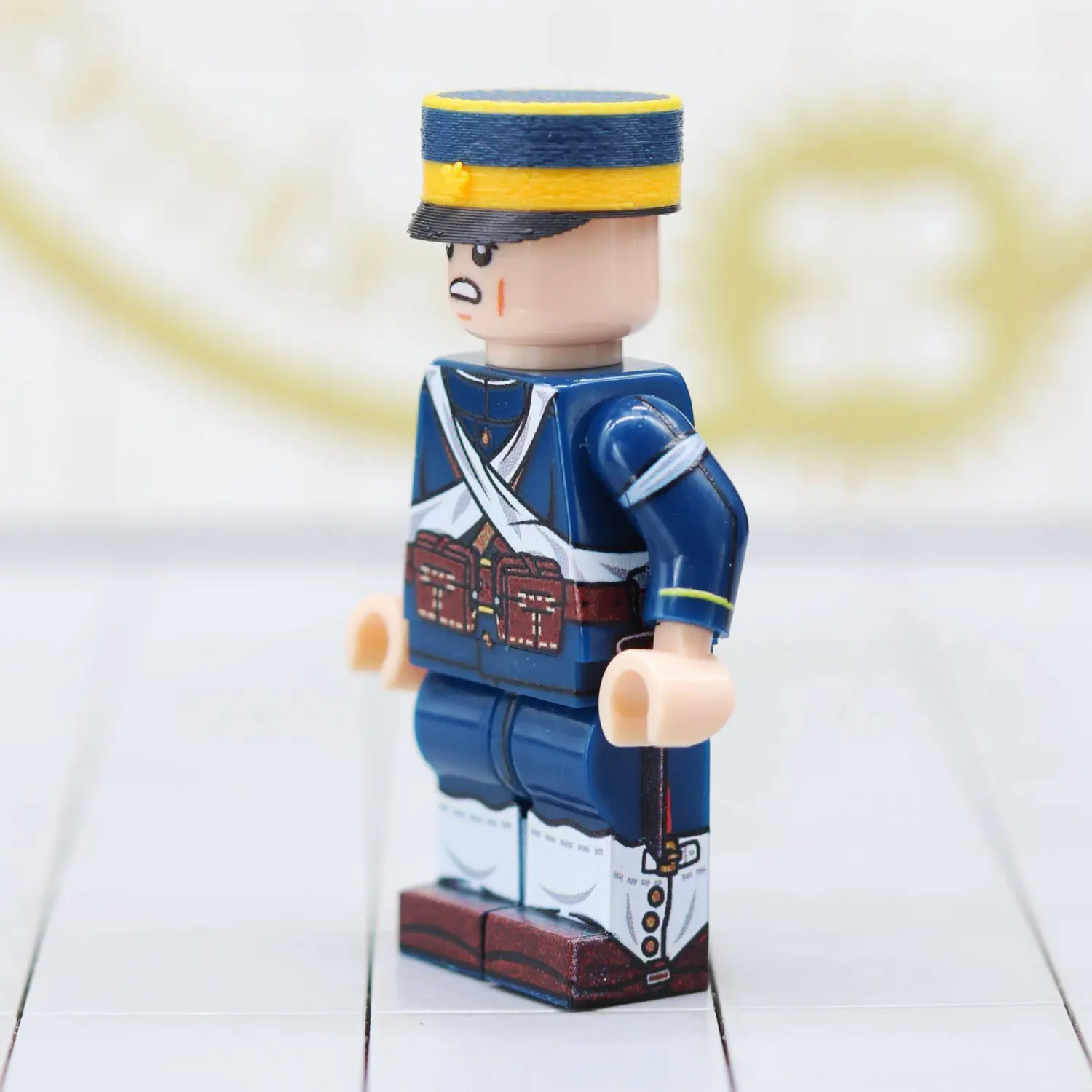
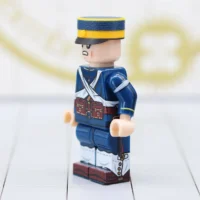
3. Top Right: Elite Infantry / “White Sash” Variant
-
Visuals: This soldier is unique due to the White Cross-Straps (X-Harness) over his chest.
-
Role: Historically, white straps were often part of full dress uniforms or could represent a specific “Guard” unit aesthetic in this toy line. It gives him a more ceremonial or elite appearance compared to the standard leather gear.
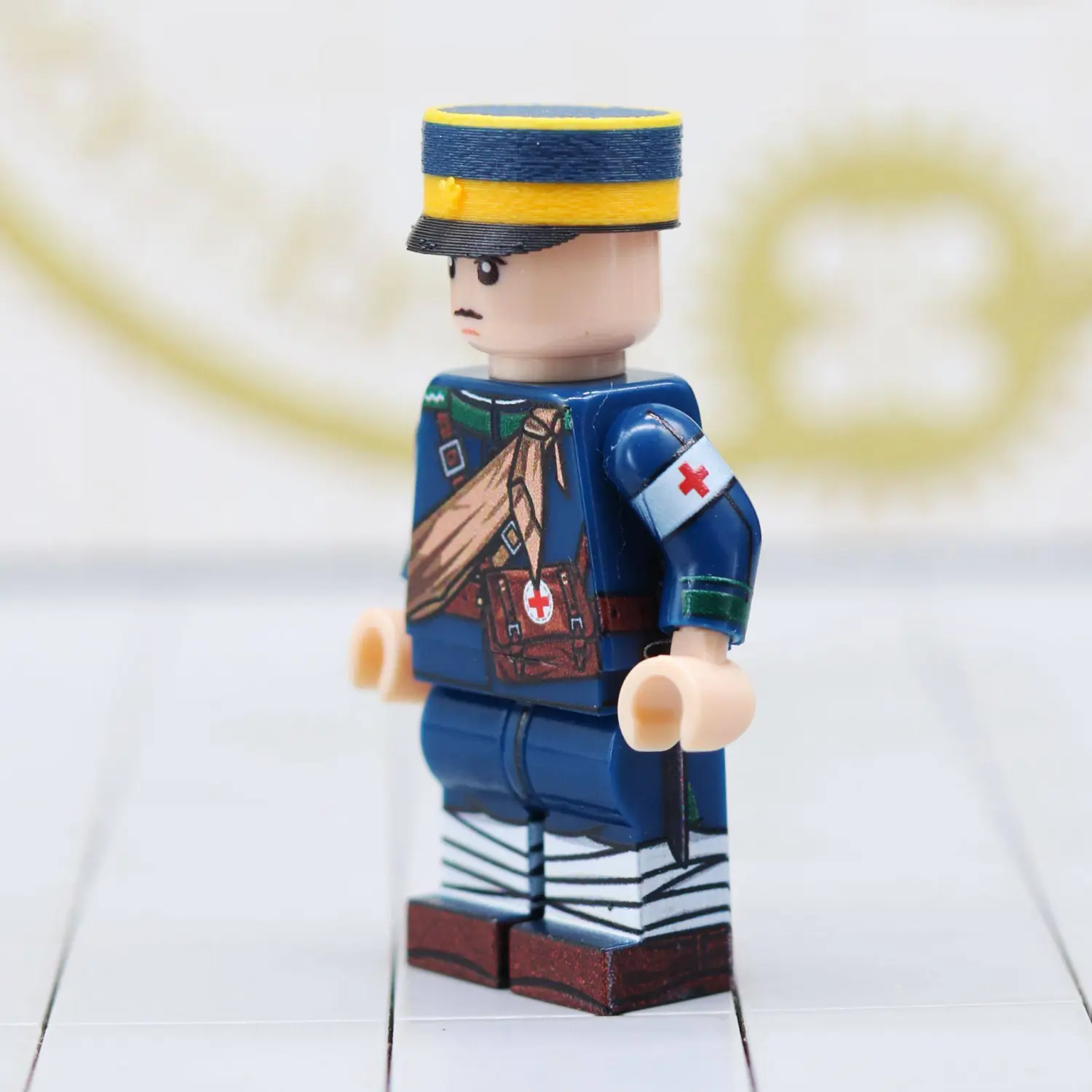
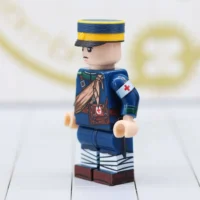
4. Bottom Left: Army Medic (Sanitary Corps)
-
Visuals: He is easily identified by the Red Cross Armband on his left arm. Note that his Collar Patches are Green.
-
Historical Detail: In the Imperial Japanese Army, Green was the specific branch color for the Medical Corps, making this figure historically accurate.
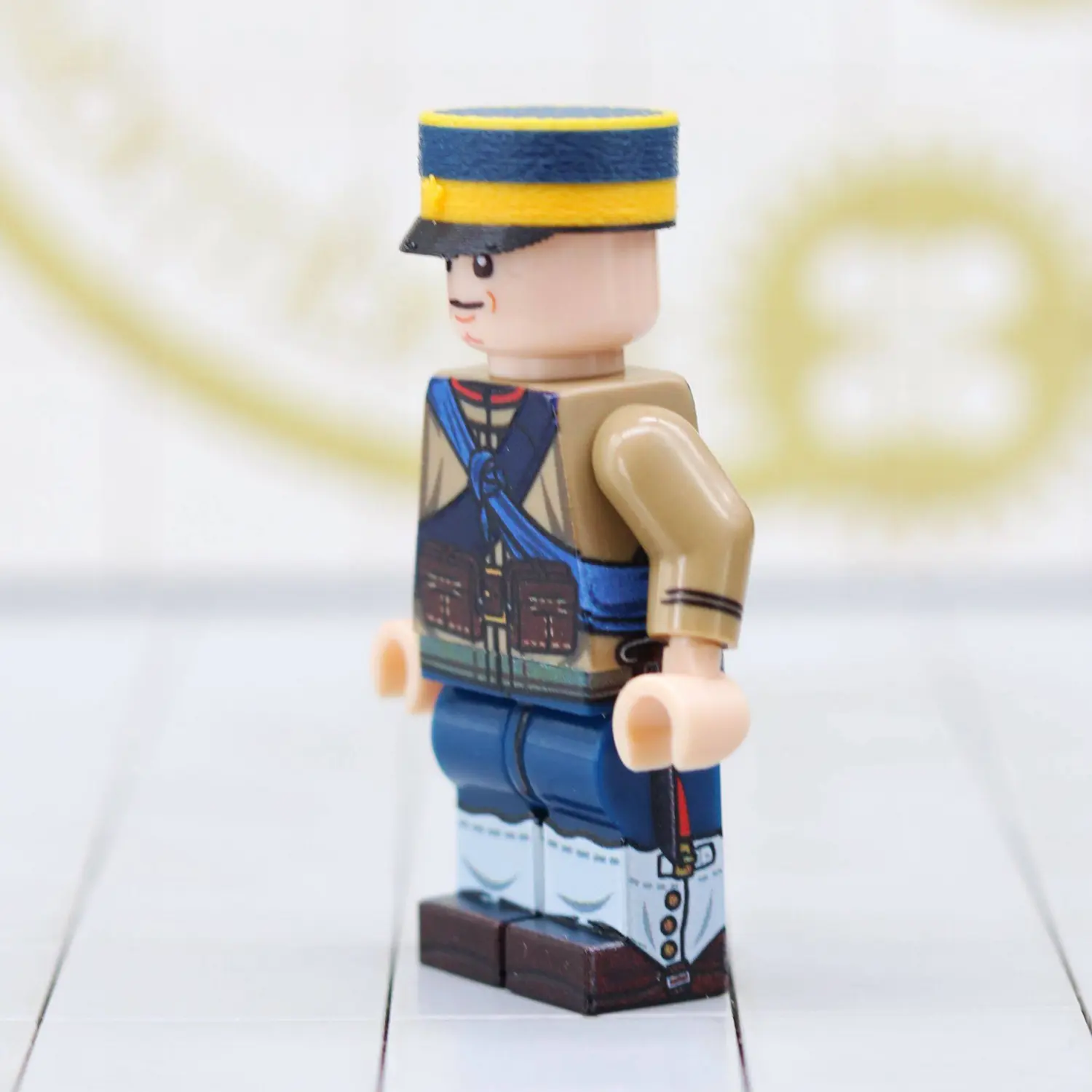
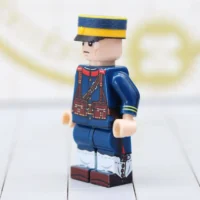
5. Bottom Center: Wounded Soldier (Casualty)
-
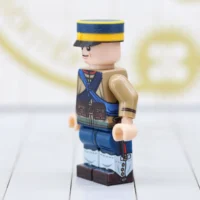
Visuals: This figure depicts the brutal reality of the war. He is not wearing the blue tunic jacket but a Tan/Brown Undershirt. His left arm is in a White Sling, tied around his neck, indicating an injury.
-
Role: Represents a soldier recovering in a field hospital or one of the many casualties from the “Human Bullet” attacks on Russian fortifications.
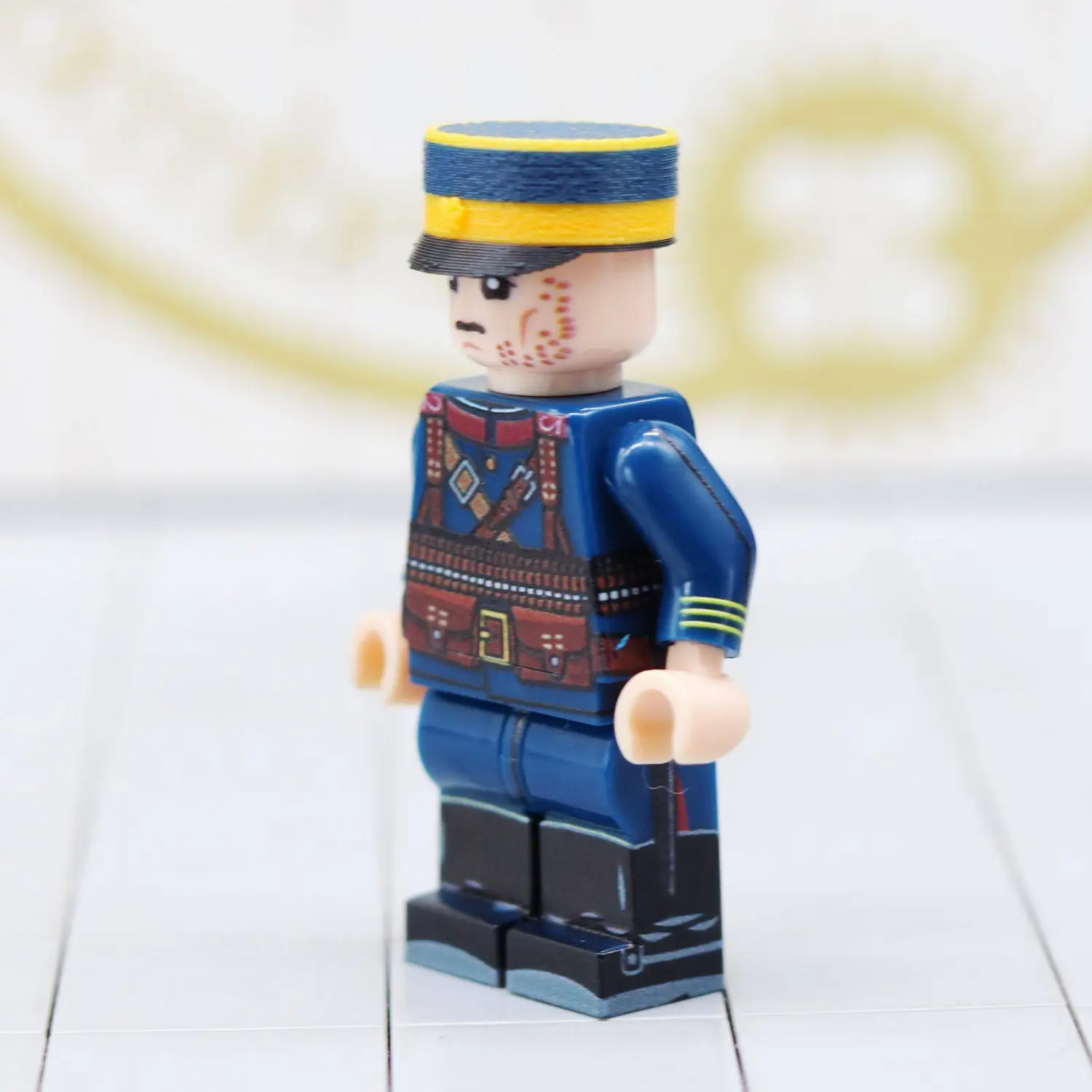
6. Bottom Right: Veteran / Heavy Skirmisher
-
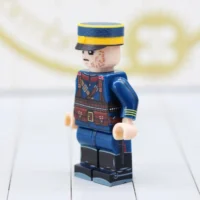
Visuals: This soldier looks tougher and more heavily equipped. He wears a Heavy Ammunition Bandolier (bullet belt) wrapped around his waist/stomach. His face print features Scarring/Pockmarks, suggesting he is a survivor of close-quarters combat or shrapnel.
Historical Background
-
The Conflict: The Russo-Japanese War (1904–1905) was the first major war of the 20th century. It was fought over rival imperial ambitions in Manchuria and Korea.
-
The Uniform: The Dark Blue Uniforms seen here were iconic but problematic. In the snowy and dusty landscapes of Manchuria, the dark blue stood out clearly against the ground, making Japanese troops easy targets for Russian machine guns. Because of this, the army hurriedly started dyeing their uniforms khaki or “mustard” color towards the end of the war (Model 1905). These figures capture the army at the start of the war, the height of the “Meiji” era military modernization.
Reviews
There are no reviews yet