

Variations
Introduction
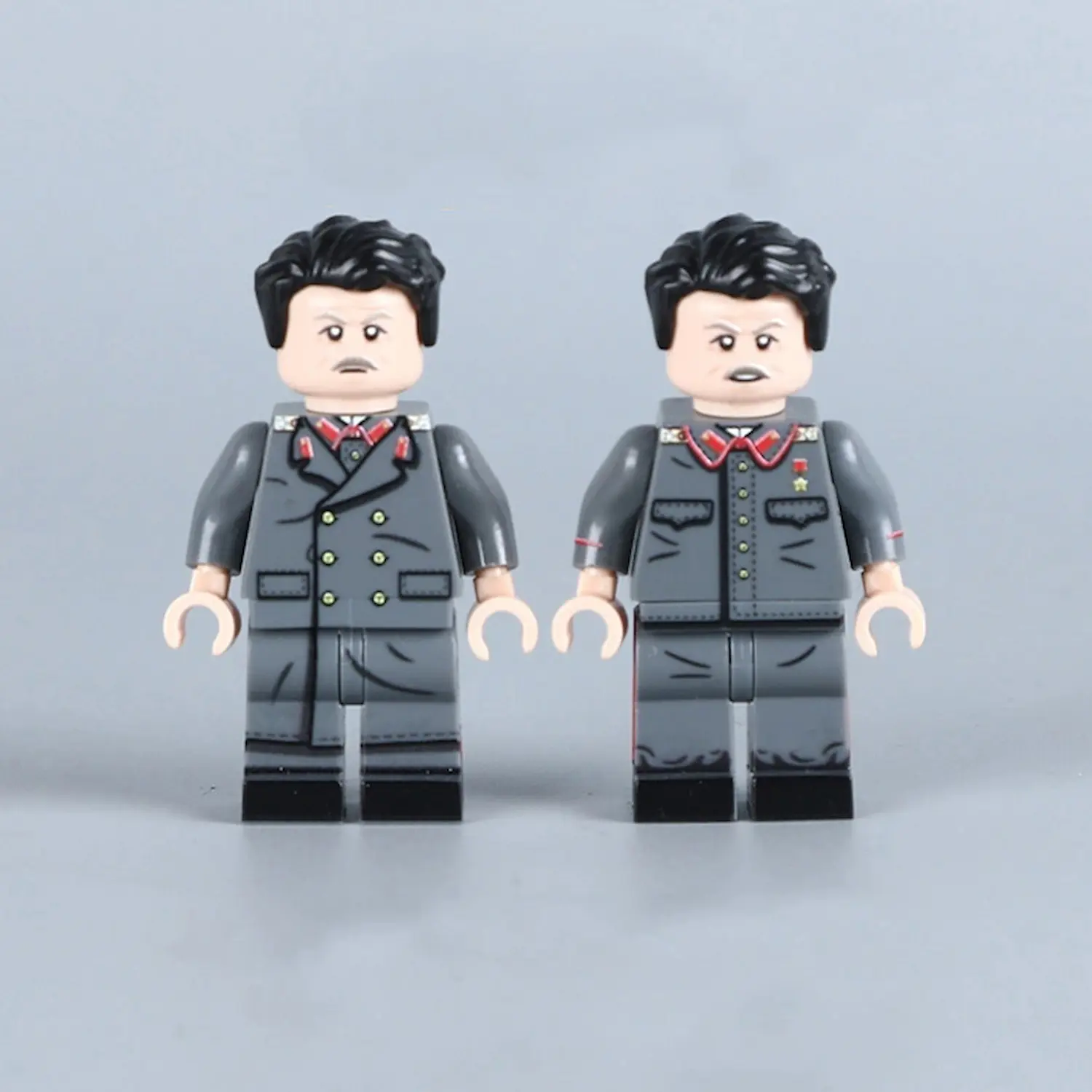
these two custom building block minifigures represent two different historical portrayals of Joseph Stalin, the leader of the Soviet Union (USSR) during World War II.
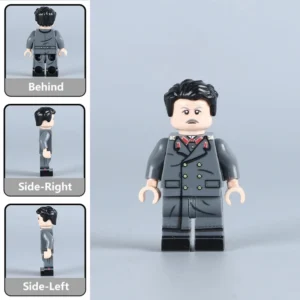
1. Joseph Stalin (Wartime Greatcoat Version)
The figure on the left depicts Stalin in his iconic Military Greatcoat (known in Russian as a shinel).
-
Uniform Details: He is wearing a long, double-breasted grey wool coat featuring two rows of gold buttons. The collar is adorned with red and gold patches, signifying his supreme rank.
-
Historical Role: This version represents Stalin’s appearance during outdoor military reviews, such as the famous 1941 October Revolution Parade, or at high-level wartime conferences like Tehran or Yalta. It portrays him as the Supreme Commander overseeing the defense of the Soviet Union against the German invasion.
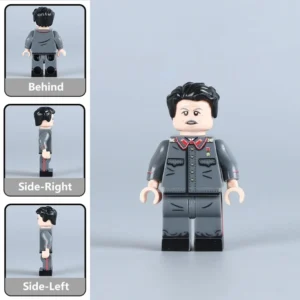
2. Joseph Stalin (Marshal’s Tunic Version)
The figure on the right represents Stalin in his formal Marshal’s Tunic.
-
Uniform Details: This figure features a shorter grey military jacket. Key details include the red piping (stripes) on the sleeves and trousers, which were reserved for high-ranking Soviet Marshals and Generals. On his left chest, he wears the “Gold Star” medal, representing the Hero of the Soviet Union, the nation’s highest honorary title.
-
Historical Role: This version reflects Stalin’s appearance in the later years of the war (roughly 1943–1945). After the victory at Stalingrad, Stalin took on more formal military titles, eventually being named Generalissimo of the Soviet Union. This uniform symbolizes the transition of the Red Army from a defensive force to a victorious superpower.
Historical Background
Joseph Stalin was the central figure of the Soviet Union during the Great Patriotic War (the Eastern Front of WWII). Under his absolute command, the Soviet Union endured the largest and most brutal theater of the war.
Stalin was responsible for the total mobilization of the Soviet population and industry, which eventually allowed the Red Army to crush the forces of Nazi Germany. While his leadership was characterized by extreme ruthlessness, he is historically remembered as one of the “Big Three” Allied leaders—alongside Winston Churchill and Franklin D. Roosevelt—who shaped the outcome of the war and the political map of the post-war world.
Reviews
There are no reviews yet